
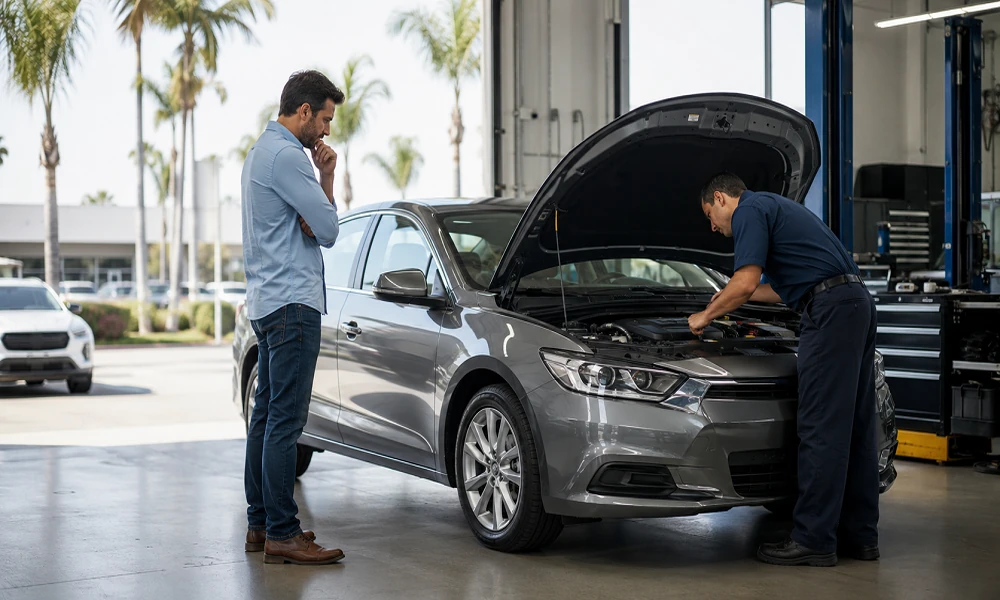
A vehicle warranty should provide a practical path to repairs when covered defects appear. When a manufacturer or authorized dealer cannot correct a recurring problem, California law may offer stronger remedies. Understanding those protections helps drivers recognize when an ordinary service visit may have become a warranty claim.
The Foundation of California Vehicle Warranty Protection
The California Civil Code provisions governing consumer warranties set duties for businesses that issue warranties on consumer goods. In the vehicle context, the law generally requires a manufacturer to maintain adequate repair facilities and complete covered warranty repairs within a reasonable time.
Coverage depends on the vehicle, warranty, acquisition, and use. New vehicles bought or leased in California often receive clear protection. Some used vehicles may qualify while a manufacturer warranty remains in effect. Commercial vehicles raise added eligibility questions, so business use does not automatically create or defeat a claim.
A Reasonable Opportunity to Repair
Manufacturers usually must receive a reasonable opportunity to fix a defect before refund or replacement remedies become available. There is no single repair count that decides every case. The nature of the problem, safety risk, number of visits, days out of service, and quality of the repair history can all matter.
A defect need not make a vehicle undrivable. Problems with braking, steering, acceleration, electrical systems, driver-assistance features, or persistent warning lights may substantially affect use, value, or safety. If a dealer calls a problem “normal,” the driver should still ask that the complaint be recorded accurately.
When Refund or Replacement May Be Available
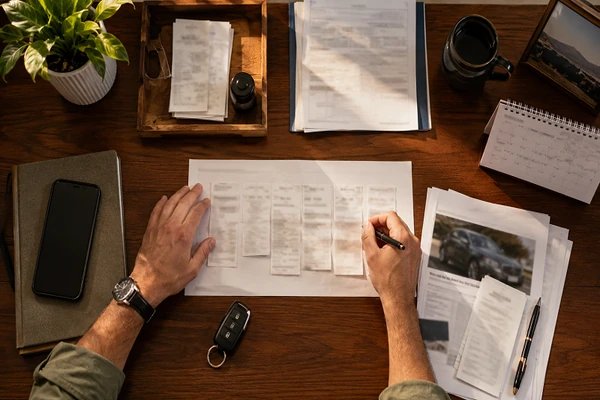
If a manufacturer cannot repair a covered defect after a reasonable number of attempts, the consumer may be entitled to replacement or restitution. A refund analysis may include the vehicle price and certain qualifying charges, less deductions allowed by law. One possible deduction accounts for the consumer’s use before the vehicle was first presented for repair for the defect that supports the claim.
These calculations are fact-specific. Loan balances, negative equity, aftermarket items, expenses, and repair timing may affect the analysis. Drivers can review the Song-Beverly Consumer Act protections before deciding how to respond to repeated warranty failures.
In a successful legal action, California law may also permit recovery of reasonable attorney fees and costs. A civil penalty may be available in certain cases involving a willful failure to comply, but it is not automatic. No driver should assume that a particular defect, repair count, or delay guarantees a result.
Records That Can Strengthen a Warranty Claim
Good records help connect the defect, the repair opportunities, and the effect on the vehicle. Drivers should keep every repair order, even when the dealer reports that it could not duplicate the concern. Each order should show the date, mileage, reported symptoms, technician findings, work performed, and parts replaced.
It is also useful to preserve purchase or lease papers, the warranty booklet, towing and rental receipts, emails, photographs, videos, and communications with the manufacturer. A simple timeline can reveal repeat visits and total days out of service. Drivers should describe symptoms consistently and avoid signing a repair order that leaves out an important complaint.
Timing and Notice Can Matter
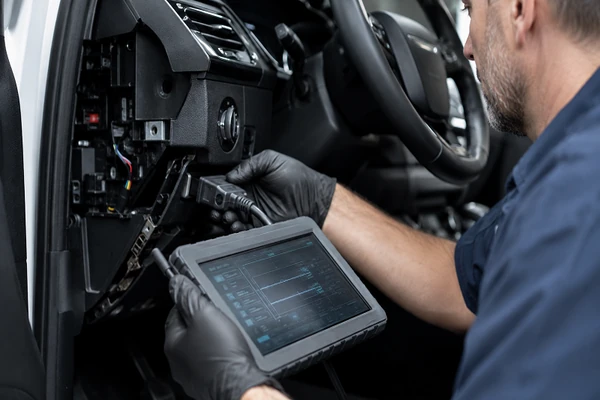
Warranty disputes are sensitive to deadlines and procedure. The California Department of Consumer Affairs’ current lemon-law procedures explain that newer rules may affect written notice, response periods, and claims involving manufacturers that elect specific procedures. The correct route may depend on the vehicle’s purchase or delivery date and the manufacturer involved.
Because waiting can make evidence harder to collect, a driver should seek guidance before selling, trading, modifying, or surrendering the vehicle. Continuing to attend scheduled repair visits and keeping communications in writing can protect the factual record while the situation is evaluated.
Frequently Asked Questions
Does one unsuccessful repair visit create a refund right?
Usually not. The manufacturer generally must have a reasonable opportunity to repair the covered defect. A severe safety issue may be evaluated differently from a minor concern.
Can a used vehicle qualify for California warranty protection?
Possibly. Coverage may exist when a manufacturer warranty remains in effect, but the sale terms, warranty source, defect, and repair history must be reviewed.
Should a driver stop making loan payments during a dispute?
Not without specific legal advice. A warranty claim does not automatically pause the finance contract, and missed payments may create separate credit or repossession problems.
Take the Next Step with a Clear Record
Repeated warranty repairs can consume time and undermine confidence in a vehicle. Seven Law Group can review the warranty, repair history, and available documents to help a California driver understand possible next steps. Contact the firm to request an evaluation based on the facts of the vehicle and claim.